Orthodontics for Kids: When to Start Thinking About Braces
Many parents start thinking about braces once their child begins to lose baby teeth. This period marks the start of major changes in the mouth, and it often raises questions about how teeth will develop. Since growth speeds up during these years, families naturally want to know when orthodontics for kids should begin and what signs to watch for. Starting the conversation early helps parents feel prepared as their child’s smile continues to change.
When Kids Should Have Their First Orthodontic Evaluation
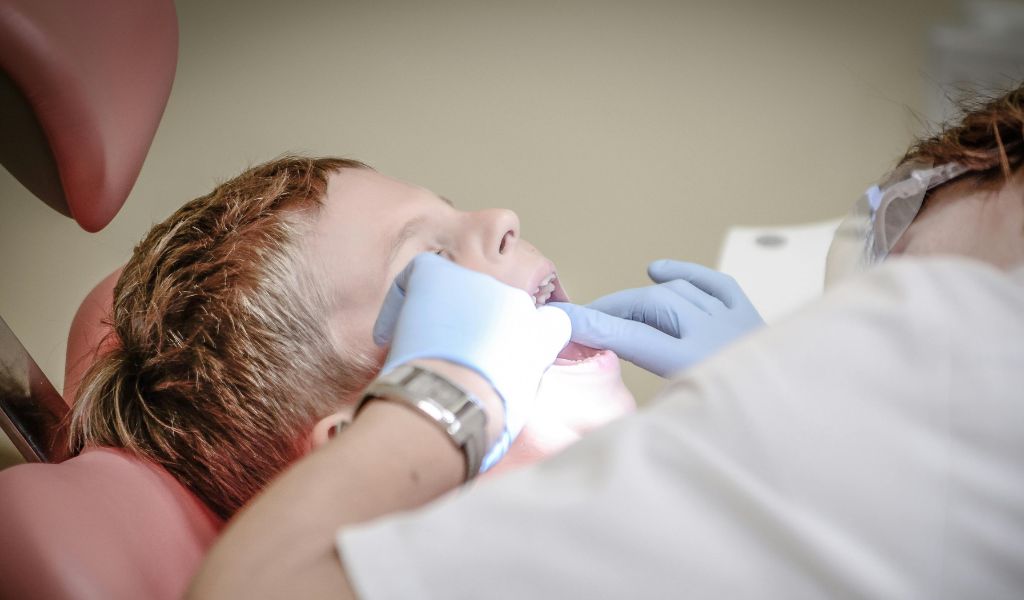
Orthodontists recommend that children have their first orthodontic evaluation at about age seven. At this age, most children have a combination of baby teeth and early permanent teeth. This mix allows orthodontists to see how the teeth are lining up and how the mouth is forming.
This first evaluation gives families a clear starting point. Some children may not need treatment for several more years. Others may need monitoring at regular intervals. For many parents, the challenge is finding a trusted dental team that can guide them through this early stage, especially when they are unsure whether their child’s concerns are normal or need attention. If you want to explore a practice that offers full dental care along with orthodontic guidance, click here.
Pediatric dentists help guide this process because they see children more often during routine dental care. When something looks unusual, they can recommend an orthodontic visit so families stay informed.
Common Signs a Child May Need Orthodontics Treatment
Parents can often notice early signals that a child may need orthodontics treatment. These signs are helpful starting points before a formal evaluation.
- Teeth that appear crowded or uneven
- Baby teeth that fall out sooner or later than expected
- Trouble biting into food or chewing on one side
- Thumb sucking or similar habits that affect how the mouth develops
These signs do not always require immediate treatment. They simply show that the child could benefit from orthodontic evaluation. As the next step, the orthodontist can check whether the mouth is developing on track.
What Orthodontists Look For During an Evaluation
After the initial conversation with the child and parent, the orthodontist examines specific parts of the mouth to understand how the teeth and jaws are forming. This evaluation provides details that parents cannot see at home.
Jaw Growth and Tooth Position
Orthodontists study how the upper and lower jaws relate to each other. They look at the angle, size, and direction of growth. They also examine how permanent teeth are positioned beneath the gums. This helps them predict whether crowding or spacing problems may occur as the child grows.
Bite Alignment
The orthodontist also checks how the upper and lower teeth meet. Bite alignment affects how well a child can chew, and it influences long-term comfort. If the bite is shifting out of balance, the orthodontist can create a plan that guides the mouth toward proper alignment.
Early Care (Phase 1) Compared to Full Treatment (Phase 2)
Orthodontic care may be separated into two stages, depending on what the orthodontist finds during the evaluation. Understanding the difference helps families know what to expect as their child grows.
Phase 1 usually begins while baby teeth are still present. The goal is to support normal development and create space for incoming permanent teeth. This stage may include tools that guide growth or help correct issues that become harder to manage later.
Phase 2 begins once most permanent teeth are in place. This stage focuses on shaping the final alignment of the teeth and adjusting the bite in more detail. Braces or clear aligners are commonly used during this time. Phase 1 often makes Phase 2 smoother, but not every child needs the early phase.
Treatment Options for Kids
Once the orthodontist studies how the mouth is developing, the next step is choosing a treatment option that matches the child’s needs. Several approaches can help children reach healthier alignment.
Traditional Metal Braces
Traditional metal braces remain one of the most common treatments for children. They work well for a wide range of alignment and bite issues. Braces stay attached to the teeth, which keeps treatment consistent. Children do not need to remember to place them on the teeth each day, which can be helpful for younger patients.
Clear Aligners for Kids
Clear aligners are another option for some children. These removable trays gently guide the teeth over time. They are easy to clean around and allow children to eat without restrictions. However, they must be worn for most of the day to be effective. Clear aligners usually work best for older children who can follow daily instructions and have milder alignment needs.
Building a Treatment Plan That Fits the Child
After reviewing the evaluation results, the orthodontist creates a treatment plan that matches the child’s growth pattern and dental needs. The plan may include long-term monitoring, early correction, or a scheduled start for braces or aligners. The goal is to choose the right timing rather than rush into treatment.
Pediatric dental care supports this process. Regular cleanings help protect the teeth during treatment, and communication between providers ensures that the child receives coordinated care throughout their development.
How Orthodontic Treatment Supports Long-Term Oral Health
Orthodontic treatment helps children achieve long-term dental health in several ways. Straight teeth allow more effective brushing because toothbrush bristles can reach areas that were once blocked by crowding. This makes daily cleaning easier and lowers the chance of plaque buildup.
A balanced bite also improves chewing efficiency. When the teeth meet properly, the mouth distributes pressure more evenly. This reduces strain and lowers the chance of uneven wear as the child grows older. These improvements help create a healthier oral environment well into adulthood.
How Parents Can Support Their Child During Treatment
Parental support plays an important role in how well treatment progresses. Children often adjust more easily when their routines feel consistent and manageable. Parents can help by encouraging brushing, flossing, and proper care of braces or aligners.
Here are simple ways parents can help:
- Offer soft foods after adjustments
- Store aligners in a safe place when not in use
- Help children stay on schedule for appointments
- Encourage daily cleaning routines
Financial planning also helps families prepare for orthodontics services. Reviewing insurance coverage and payment options can reduce stress and make the process smoother.
Conclusion
Starting orthodontics for kids early gives families a clear view of how the teeth and jaws are forming. An evaluation around age seven helps identify developing concerns and allows orthodontists to guide growth in a healthy direction. With a thoughtful plan and steady support from parents and providers, children can move toward stronger oral health and a confident smile as they grow.
