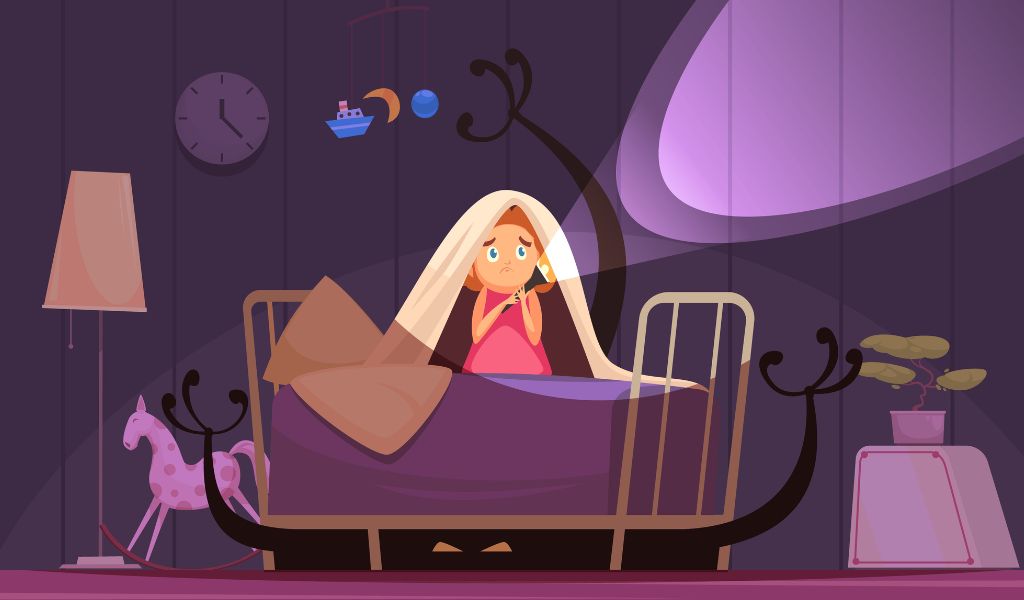
What Recurring Nightmares Mean
Most people experience the occasional bad dream, but recurring nightmares are different. When the same distressing dream returns again and again, it’s often your mind trying to process something unresolved. These dreams can feel vivid, emotionally intense, and difficult to shake, sometimes affecting sleep quality, mood, and overall wellbeing.
Recurring nightmares aren’t random. They usually reflect ongoing psychological, emotional, or physiological stressors that the brain hasn’t yet integrated or resolved during waking life. Understanding what they mean can be the first step towards reducing their frequency and impact.
Why Do Nightmares Become Recurring?
Nightmares tend to repeat when the underlying trigger remains active. The brain uses sleep—particularly REM sleep—to process emotions and consolidate memories. If something feels threatening, overwhelming, or unfinished, the mind may replay it symbolically through dreams.
Common contributors include chronic stress, anxiety disorders, trauma, major life changes, unresolved grief, or prolonged uncertainty. In some cases, recurring nightmares are associated with post-traumatic stress, where the nervous system remains on high alert even during rest. This is why clinical approaches (including medications like prazosin for nightmares) are sometimes explored alongside therapy for individuals whose sleep is severely disrupted.
Common Themes in Recurring Nightmares and What They Often Represent
While every dream is personal, certain patterns appear frequently in recurring nightmares. Understanding these themes can offer insight into what your subconscious may be communicating.
- Being chased or attacked: This often reflects avoidance. There may be a problem, decision, or emotional truth you’re running from in waking life. The pursuer usually represents something you fear confronting.
- Falling endlessly: Dreams of falling are commonly linked to loss of control or instability. They can appear during periods of major change, insecurity, or when confidence has been shaken.
- Being trapped or unable to escape: These nightmares can point to feelings of powerlessness or being stuck—whether in a job, relationship, financial situation, or emotional pattern.
- Losing your voice or being unable to move: This theme is often associated with suppressed expression. You may feel unheard, dismissed, or unable to assert boundaries in real life.
- Reliving a past event: When nightmares replay specific experiences, especially traumatic ones, it’s a sign the memory has not yet been fully processed. The mind continues to revisit it in an attempt to make sense of what happened.
The Emotional Weight Behind Repetition
What makes recurring nightmares particularly distressing isn’t just the content—it’s the emotional residue they leave behind. People often wake with lingering fear, shame, sadness, or panic that lasts well into the day. Over time, this can create anxiety around sleep itself, leading to avoidance, insomnia, or hypervigilance at night.
This cycle can reinforce itself: poor sleep increases stress, which in turn increases the likelihood of further nightmares. Breaking this loop requires addressing both the dreams and the waking-life factors that feed them.
Psychological and Physiological Factors
Recurring nightmares are influenced by both the mind and the body. Elevated stress hormones, disrupted sleep cycles, certain medications, alcohol use, and underlying mental health conditions can all play a role. Trauma-related nightmares, in particular, are linked to an overactive threat response in the brain, where the body remains in a state of perceived danger even during sleep.
This is why treatment approaches often combine psychological therapy with practical sleep strategies, and in some cases, medical intervention. The goal is not just to stop the nightmares, but to calm the nervous system and restore a sense of safety.
Can Recurring Nightmares Be Reduced?
Yes – while they can feel overwhelming, recurring nightmares are highly treatable. Approaches such as cognitive behavioural therapy, imagery rehearsal therapy, trauma-focused counselling, and improved sleep hygiene can significantly reduce their frequency and intensity. For some individuals, addressing nightmares directly leads to improvements in mood, concentration, and overall quality of life.
The key is recognising that recurring nightmares are not a personal failing or something to simply “push through.” They are meaningful signals from the mind that something needs attention.
When to Seek Support
If nightmares are happening frequently, causing distress, or interfering with daily functioning, it’s worth seeking professional support. This is especially important if nightmares are linked to trauma, anxiety, depression, or thoughts of self-harm. Early intervention can prevent sleep disturbances from becoming entrenched and can help restore restorative, healthy sleep.
Recurring nightmares are the mind’s way of saying, something needs to be processed
While they can be frightening, they also carry valuable information about emotional wellbeing, stress levels, and unresolved experiences. With the right understanding and support, these dreams don’t have to keep repeating—and restful sleep can become possible again.
