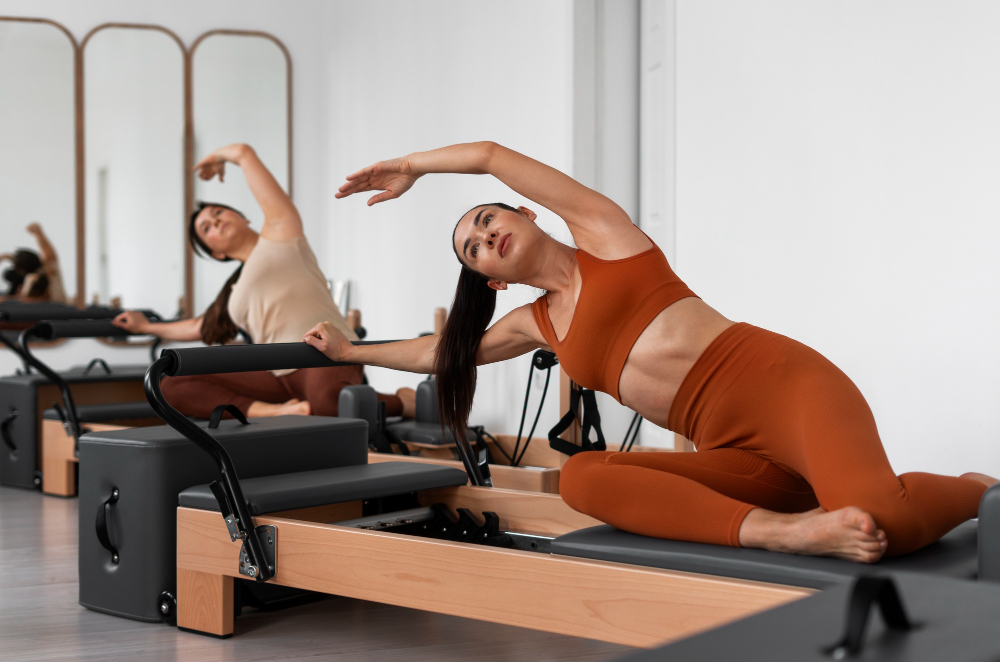
How a Pilates Studio in Santa Monica Can Help with Injury Recovery
The first time I walked into a pilates studio in Santa Monica, I wasn’t thinking about flexibility or fitness goals.
I was just trying to move my shoulder without pain.
After weeks of stiffness from a minor sports injury, even simple movements felt frustrating.
What surprised me most wasn’t just the relief I felt after a few sessions, but how intentional every movement was.
It didn’t feel like a workout.
It felt like rebuilding my body from the ground up.
A lot of people assume recovery means rest alone.
But the truth is, guided movement is often what helps the body heal smarter and faster through a structured approach at a pilates studio in Santa Monica.
Why Controlled Movement Speeds Up Recovery
When you’re injured, your body naturally tries to compensate.
You shift weight differently.
You avoid certain motions.
Over time, that creates an imbalance.
That’s where structured movement comes in.
Instead of pushing through pain, the focus shifts to controlled, low-impact exercises.
These movements target stabilizing muscles that often get ignored.
For example, during one session, I was asked to simply lift my arm while keeping my core engaged.
It sounded basic.
But it exposed how disconnected my body had become.
That awareness is what starts the healing process.
Rebuilding Strength Without Strain
Small Movements, Big Impact
Recovery doesn’t require heavy lifting.
In fact, doing too much too soon can slow progress.
What makes these sessions effective is precision.
Each movement is slow, deliberate, and aligned with your body’s current ability.
You’re not chasing intensity.
You’re rebuilding control.
I remember being surprised at how a few controlled repetitions could feel more challenging than an hour at the gym.
That’s because the right muscles are finally doing the work.
Strengthening Deep Muscle Layers
Most traditional workouts focus on surface muscles.
But injury recovery depends on deeper stabilizers.
These muscles support joints, posture, and alignment.
When they’re weak, pain tends to linger.
Targeting these areas helps reduce pressure on injured spots.
It also prevents future injuries from creeping in.
Improving Mobility Without Forcing It
Gentle Range of Motion Work
After an injury, stiffness can feel permanent.
But forcing flexibility usually backfires.
A better approach is gradual mobility work.
Slow stretches combined with controlled breathing help release tension safely.
I noticed that instead of pushing limits, I was guided to move within a comfortable range.
That small shift made a huge difference.
My body started opening up naturally.
Restoring Natural Movement Patterns
Injuries often disrupt how you move day-to-day.
Simple actions like bending, reaching, or walking can feel off.
Corrective exercises help retrain those patterns.
It’s not just about recovery.
It’s about moving better than before.
The Mind-Body Connection in Healing
Awareness Changes Everything
One thing that stands out during recovery sessions is how much attention is placed on awareness.
You’re constantly checking alignment.
You’re noticing how your body feels in each position.
That level of focus turns every movement into feedback.
Instead of guessing, you understand what your body needs.
Breathing as a Recovery Tool
Breathing isn’t just automatic during these sessions.
It’s intentional.
Controlled breathing helps reduce tension and improve circulation.
It also keeps movements smooth and supported.
I didn’t expect breathing techniques to play such a big role.
But they ended up being one of the most powerful parts of the process.
Real-Life Recovery: What It Actually Feels Like
The biggest shift happens gradually.
There’s no dramatic overnight change.
But one day, you realize something feels easier.
For me, it was reaching for something on a high shelf without hesitation.
That moment made all the slow, controlled sessions worth it.
Recovery isn’t just about eliminating pain.
It’s about getting confidence back.
It’s about trusting your body again.
And that trust doesn’t come from pushing harder.
It comes from moving smarter.
Preventing Future Injuries Through Better Movement
Building Long-Term Stability
Once you’ve recovered, the goal shifts to prevention.
Strengthening stabilizing muscles reduces the risk of reinjury.
Better posture and alignment also take pressure off vulnerable areas.
You start noticing improvements in everyday activities.
Sitting feels better.
Standing feels more balanced.
Even walking becomes more efficient.
Creating a Sustainable Routine
The best part about this type of training is its sustainability.
It’s not something you burn out on.
It becomes part of your routine.
Even short sessions can maintain progress.
That consistency is what keeps injuries from coming back.
Who Can Benefit From This Approach
Recovery-focused movement isn’t limited to athletes.
It’s for anyone dealing with discomfort, stiffness, or past injuries.
Common situations where it helps include:
- Shoulder or back pain
- Post-surgery rehabilitation
- Muscle imbalances from desk jobs
- Joint stiffness or reduced mobility
- Chronic tension from stress
The approach adapts to your needs.
That’s what makes it effective for different people.
What to Expect During Your First Session
Walking into your first session can feel intimidating.
But it’s usually more personalized than you expect.
You’re not thrown into a group workout.
Instead, the focus is on understanding your body first.
A typical session may include:
- A quick assessment of movement and posture
- Gentle warm-up exercises
- Controlled strengthening movements
- Mobility and stretching work
- Guided breathing techniques
Everything is adjusted based on how you feel that day.
There’s no pressure to perform.
Only progress at your own pace.
Final Thoughts on Healing Through Movement
A pilates studio in Santa Monica offers more than just a place to exercise.
It provides a structured path to recovery.
The combination of controlled movement, awareness, and consistency creates real results.
If you’ve been dealing with pain or limited mobility, the answer might not be doing more.
It might be doing things differently.
Slower.
More intentional.
More connected.
Because sometimes, the smallest movements create the biggest changes.
