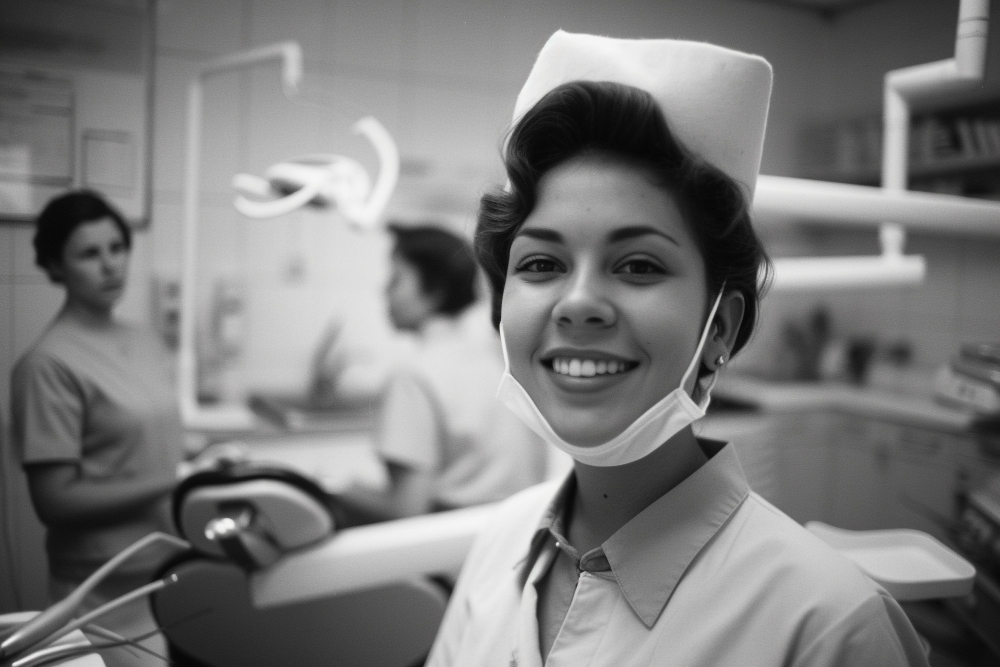
Helping Teenagers Take Part in Family Dental Appointments
A dental appointment at fifteen looks different from one at seven, and it should. Adolescence is when oral health shifts from a parent-managed task to a personal responsibility, and the family appointment is where that transition either happens or doesn’t.
Parents who manage it deliberately end up with teenagers who can describe a problem to a dentist and understand what a treatment plan commits them to.
What changes in the teenage mouth
Puberty hormones increase blood flow to gum tissue and amplify the inflammatory response to plaque, so puberty gingivitis can appear even when brushing habits haven’t changed. It shows up as bleeding or tenderness along the gumline, often localized to a few spots.
The hormones don’t cause gum disease by themselves. They amplify the response to plaque that’s already on the teeth, which is why two teenagers with identical brushing can have very different gums. Teenagers often read bleeding as a reason to avoid the area, and that lets the inflammation settle in.
A hygienist can show them how to clean around it, but only if someone mentions the bleeding at the appointment. Permanent teeth are the final set, and a filling placed at fourteen needs maintenance for decades.
Interdental cleaning drops off sharply during adolescence, right when gum tissue is most reactive. Flossing is the first habit a busy teenager sheds, and a teenager who flossed nightly at ten can be flossing never at fifteen. The six-month visit is the check that catches this.
The habits that show up on the chart
The check-up is where daily habits become measurable findings. Energy drinks and sports drinks bathe enamel in acid, and frequent sipping through the day is the pattern behind enamel demineralization. A sports drink at training and an energy drink after school is two separate acid exposures before dinner.
Sticky carbohydrates do their own damage, clinging to molars long after the snack is gone. Orthodontic brackets make everything worse: they trap plaque around the gumline and turn a two-minute brush into a longer job that many teenagers cut short.
Sleep plays a part too. Late nights end with skipped brushing, and weekend sleep-ins break whatever routine the school week managed to build. Skipped nights add up faster than most teenagers expect.
Vaping belongs in this conversation. Nicotine and chemical exposure dry the mouth and irritate soft tissue, and saliva is the mouth’s main defense against acid. A teenager who vapes carries a drier mouth and a higher risk profile, whether or not a parent knows about it.
Preparation the teenager can own
Compliance built on nagging lasts until the bathroom door closes. What lasts longer is a teenager who connects their own habits to their own outcomes.
The teenager moves from being taken to appointments to attending them, and from having questions answered for them to asking their own. The dental chair is one of the easiest places to practice this, because the stakes are low and the visits are routine.
Dentists notice the difference immediately. A teenager who can say which molar twinges with cold water gets a faster, more accurate workup than one who shrugs. Building that skill is what a parent is really doing in these years.
The practical step is a transfer of tasks. Each small job moves the teenager from observer to participant, and none of them requires a parent to say anything twice. Before the next visit, hand over these jobs:
- Keep a short log of any sensitivity: which tooth it is and what sets it off – cold water, sweet food, biting down, or nothing obvious at all.
- Read their own medical history before the visit, including current medications and allergies, so they can answer the standard questions themselves.
- Write down questions for the dentist, about anything from jaw clicking to a chipped edge they keep noticing.
- Confirm the appointment themselves, by phone or through the practice’s booking system.
A teenager who arrives with their own notes changes the dynamic in the chair. The dentist talks to them directly, and the parent stops translating. Describing symptoms to a clinician is a skill, and it only develops with repetitions.
Booking that reduces resistance
When the appointment falls matters. School holidays and weekends produce calmer patients than a squeezed appointment in exam week, and a late-afternoon slot beats pulling a teenager out of bed early. A tired teenager facing a deadline will resist.
Block bookings help the logistics. Siblings seen back to back means one trip and one waiting room, and the teenager watches a younger sibling cope, which quietly normalizes the visit.
Coordinating that kind of block appointment is easier with a family dentist lutana households can rely on, but ask questions before booking. Can siblings be seen consecutively? How are teenagers involved in decisions about their own care? Are findings explained to them directly? The answers tell you whether the practice suits a family with older children.
Anxiety deserves direct handling. Dental phobia often sets in during the teenage years, and it hardens when communication is poor. Odontophobia that takes hold at fifteen can keep someone out of a chair for a decade, and avoidance is always more expensive than attendance. Agree on ground rules with the practice beforehand: findings explained plainly, and no lectures. Questions get answered without judgment.
Step back in the operatory
The most useful thing a parent can do here is physical: step out of the room, or at least step back, and let the clinician and the teenager talk one-on-one for part of the visit. Many practices expect this and will signal when it’s a good moment.
Teenagers disclose more without a parent present. Vaping, diet, pain they’ve been hiding, the real state of their brushing: the dentist gets better information, and better information produces better advice. It also means the teenager hears the instructions first-hand, not filtered through a parent later.
A parent repeating dental advice at home sounds like nagging. The same information delivered by the clinician in the chair lands as a professional opinion, and teenagers are more likely to act on it.
The parent still has a role. Rejoin the conversation for the treatment plan, ask the team how it will assess the teenager’s consent for the proposed care, and talk about payment as a separate question. The split is simple: the teenager owns the health information, and the family asks the clinic how consent and payment will be handled.
What the appointment should cover at this age
A teenage check-up runs a different agenda from a child’s one. Several milestones belong specifically to these years, and a good appointment touches each of them.
Wisdom teeth and jaw growth
Third molars start making their presence felt in the mid to late teens. A panoramic radiograph, usually called an OPG, shows where they sit and whether there’s room for them, and the scan itself is quick and non-invasive. Early assessment keeps options open: a wisdom tooth reviewed at sixteen gives the family time to plan, while one that flares up at nineteen becomes an urgent problem.
Orthodontic monitoring
Crowding and bite alignment need tracking through adolescence, whether the teenager wears braces now or finished treatment last year. Jaw growth continues into the late teens, and retention after braces is where good results are often lost. A general dentist monitoring the bite can flag when a referral back to an orthodontist makes sense.
Sports mouthguards
Contact sport puts teenage teeth at risk every season. A custom-fitted mouthguard is shaped to the teenager’s bite, and it fits over braces in a way an over-the-counter boil-and-bite guard doesn’t. Growth and new teeth can change that fit, so have the guard checked as the teenager grows. A stray elbow can mean a fractured incisor, and repairing dental trauma is neither minor nor cheap.
Decay checks and sealants
Bitewing radiographs catch decay forming between teeth, where no mirror can see it. Second molars erupt around age twelve with deep fissures, so sealants placed earlier get checked and maintained, or placed fresh if they were missed. Both findings cost little to act on early and a great deal to act on late.
The funding conversation before eighteen
The Child Dental Benefits Schedule funds preventative and basic dental services for eligible youths. Eligibility depends on family circumstances, and services sit within a defined scope, with details that can change over time. Before booking, families can ask the dental practice and the program administrator to confirm current eligibility and which services are covered.
That makes the teenage check-up a useful finance lesson. Walk the teenager through what the scheme covers and what the same visit would cost at nineteen. If the family holds insurance, show them the policy inclusions too. A teenager who has seen one claim explained understands more about health costs than most school units manage to teach.
Before booking, confirm the teenager’s eligibility with the scheme administrator and ask the clinic for a cost estimate in writing. That tells the family what the visit commits them to before anyone sits in the chair. Neither check should hold up care the teenager needs now; both can happen alongside the appointment.
After the appointment
The handover continues at home. The teenager enters the next recommended visit in their own calendar and sets the reminder themselves. A parent who keeps the family calendar can still see it, but the entry belongs to the teenager.
They also choose their own kit. Floss or interdental brushes, and a brush they actually like: small choices, but ownership of the tools supports ownership of the routine. Replacement brush heads and fresh floss belong on the teenager’s own shopping list too.
Between visits, the log habit continues. New sensitivity, a chipped edge, bleeding that wasn’t there last month: it all goes in the notes app, ready for the next appointment.
The parent’s job shrinks to one check: is the next appointment in the teenager’s phone?
Start with the next booking. Hand the teenager the phone or the practice’s booking page, and let them make the appointment themselves.
