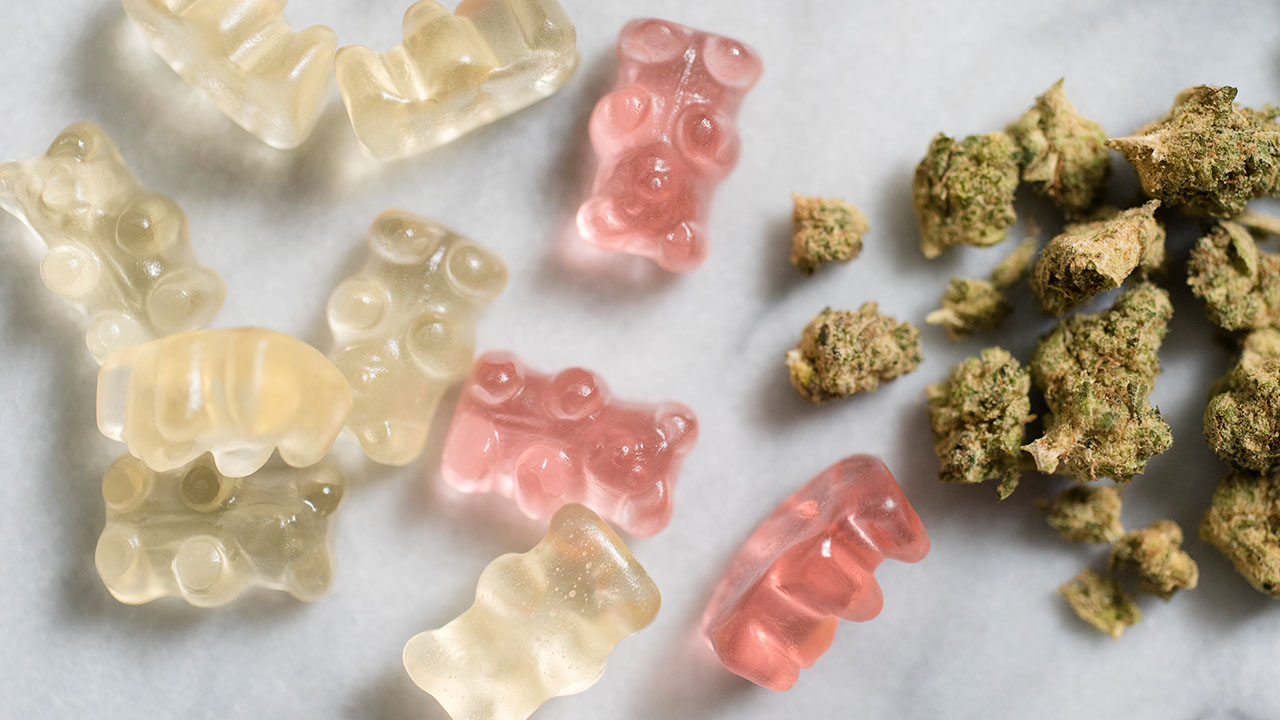
Edibles and Their Potential Health Benefits: What You Should Know
Cannabis edibles have become one of the most popular alternatives to smoking or vaping. From gummies and chocolates to capsules and infused beverages, these products offer a discreet and smoke-free way to consume cannabinoids like THC and CBD.
As legalization expands, many adults searching for “cannabis dispensary near me” are increasingly curious about how edibles may fit into a wellness routine.
While edibles are often associated with recreational use, growing research suggests they may offer certain health-related benefits when used responsibly. Like any cannabis product, outcomes depend on dosage, frequency, individual biology, and overall health status.
Understanding how edibles work and what science currently says about their potential benefits can help consumers make informed decisions.
It is important to approach the topic with balance. Edibles are not a cure-all, and they are not risk-free. However, under the right circumstances, they may provide meaningful support for specific concerns.
How Edibles Work in the Body
When cannabis is consumed in edible form, it passes through the digestive system before entering the bloodstream. The liver metabolizes THC into a compound known as 11-hydroxy-THC, which is more potent and longer lasting than inhaled THC.
This process leads to:
- Slower onset of effects
- Longer duration
- Stronger full-body sensations
Effects typically begin within 30 to 120 minutes and can last six to ten hours or longer depending on the dose.
Because of this extended duration, edibles are often chosen by individuals seeking sustained support rather than short-term effects.
Potential Benefit: Long-Lasting Pain Support
One of the most commonly reported reasons adults use cannabis edibles is for chronic pain management.
Research suggests cannabinoids may influence pain perception by interacting with the endocannabinoid system, which regulates inflammation and nerve signaling. THC may alter how the brain processes pain signals, while CBD may contribute anti-inflammatory properties.
For individuals dealing with:
- Arthritis
- Neuropathic discomfort
- Muscle soreness
- Chronic inflammatory conditions
The longer duration of edibles may provide extended relief compared to inhaled cannabis, which tends to wear off more quickly.
While more large-scale clinical trials are needed, some patients report that consistent, low-dose edible use helps reduce reliance on other pain management strategies.
Potential Benefit: Sleep Support
Sleep disturbances are another common reason people turn to edibles.
THC may reduce sleep latency, meaning it can help some individuals fall asleep more quickly. The prolonged duration of edibles can also support staying asleep throughout the night.
For those experiencing:
- Occasional insomnia
- Stress-related sleep disruption
- Irregular sleep cycles
Low-dose edibles may offer nighttime support.
However, it is important to note that frequent high-dose use can alter sleep architecture over time. Moderation and careful dosing are key.
Potential Benefit: Anxiety and Stress Reduction
The relationship between cannabis and anxiety is dose dependent. Low doses of THC, particularly when combined with CBD, may promote relaxation in some individuals. CBD alone has been studied for its potential anxiolytic properties in small clinical trials.
For individuals managing high stress levels, certain edible formulations may:
- Promote calmness
- Reduce racing thoughts
- Encourage relaxation
However, higher doses of THC may increase anxiety or cause paranoia in sensitive individuals. Starting with a low dose and understanding personal tolerance is essential.
Potential Benefit: Appetite Stimulation
THC is well known for stimulating appetite. For individuals experiencing appetite loss due to medical conditions or treatments, edibles may help encourage food intake.
This may be particularly relevant for people dealing with:
- Chemotherapy-related appetite loss
- Chronic illness
- Recovery from certain medical treatments
Because edibles provide sustained effects, they may offer longer appetite support compared to inhaled forms.
Potential Benefit: Reduced Respiratory Irritation
Unlike smoking, edibles do not involve combustion. This eliminates exposure to smoke and potential lung irritation.
For individuals who wish to avoid inhalation due to respiratory sensitivity, edibles offer an alternative method of consumption.
While inhaled cannabis acts more quickly, edibles remove concerns associated with smoke exposure.
Potential Anti-Inflammatory Effects
Chronic inflammation is linked to numerous health concerns, including joint discomfort and autoimmune conditions.
CBD, commonly included in many edible formulations, has demonstrated anti-inflammatory properties in preclinical research. By interacting with receptors involved in immune regulation, cannabinoids may influence inflammatory pathways.
Although human research is still evolving, some individuals report improvement in inflammation-related discomfort with consistent, low-dose edible use.
Controlled Dosing and Consistency
Modern edibles are typically labeled with precise cannabinoid content. This allows for more consistent dosing compared to inhaled products, where potency can vary with each inhalation.
Controlled dosing may help individuals:
- Establish predictable routines
- Monitor effects over time
- Adjust intake gradually
For those using cannabis for wellness purposes, predictability is often an important factor.
Important Considerations and Risks
Despite potential benefits, edibles require caution.
Key considerations include:
- Delayed onset can lead to accidental overconsumption
- Effects last longer, which may interfere with daily responsibilities
- High doses can trigger anxiety or discomfort
- Regular use may lead to tolerance
The general recommendation for new users is to start with a low dose and wait at least two hours before considering additional consumption.
Pregnant or breastfeeding individuals should avoid cannabis. Those taking prescription medications should consult a healthcare professional before incorporating cannabinoids into their routine.
Individual Differences Matter
Not everyone responds to edibles in the same way. Factors that influence experience include:
- Body weight
- Metabolism
- Previous cannabis exposure
- Individual sensitivity
- Whether food was consumed beforehand
Because THC is processed through the liver, individual metabolic differences can significantly impact intensity and duration.
Tracking dosage and response can help determine what works best for each person.
The Importance of Responsible Use
Edibles can offer potential health-related benefits, but responsible use is essential.
Consumers should:
- Follow label instructions
- Avoid mixing with alcohol
- Store products safely away from children
- Avoid driving while under the influence
Education and moderation are key components of safer cannabis consumption.
A Balanced Perspective on Edibles and Wellness
Cannabis edibles represent a growing segment of the wellness conversation. For some adults, they may provide support for pain, sleep, stress management, appetite, and inflammation.
However, edibles are not a substitute for professional medical care, and research continues to evolve. While early findings and patient reports are promising in certain areas, more controlled studies are needed to confirm long-term safety and efficacy.
For individuals who choose to explore edibles, starting low, going slow, and maintaining awareness of personal response can help maximize potential benefits while minimizing risks.
As cannabis science advances, a clearer understanding of how edible cannabinoids interact with the body will continue to emerge. Until then, informed decision-making remains the most important tool for anyone considering adding edibles to a health-focused routine.
