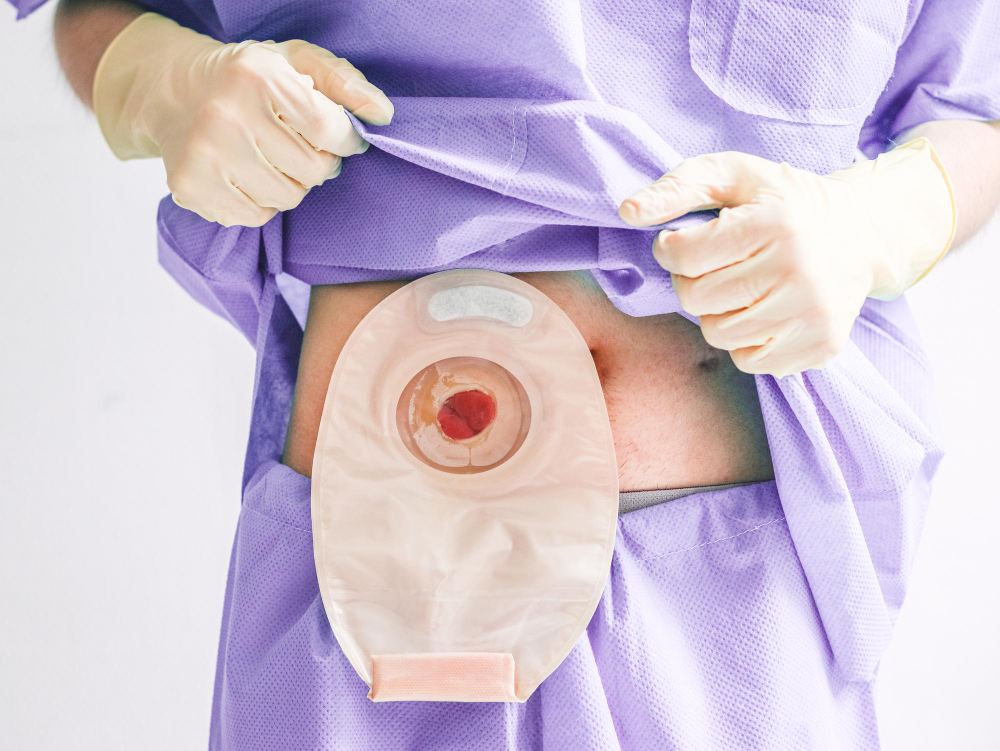
Living Well With a Stoma: What Actually Makes a Difference
Adjusting to life with a stoma takes time, and nobody really tells you that at the beginning. There’s a lot of focus on the surgery itself, the recovery ward, the practical training before discharge, and then you’re sent home with a bag of supplies and an enormous amount of information you’re expected to retain. What gets talked about less is the months that follow, when the real adaptation happens.
For many people, the physical side eventually becomes manageable, but it’s the confidence piece that takes longer. Getting back to swimming, going on a long train journey, returning to work, sitting in a restaurant without anxiously checking the time since your last bag change. These things don’t resolve overnight, and they won’t resolve just because a nurse told you they would.
The Equipment Side of Things
Stoma products have genuinely improved over the years, though you wouldn’t always know it from the NHS prescription lists that some GPs are still working from. The materials are lighter, the adhesives are more skin-friendly, and there’s far more variety in terms of bag profiles and sizes than there was even a decade ago. That variety matters because bodies are different, stomas are different, and what works brilliantly for one person can cause constant problems for another.
One company that comes up repeatedly in stoma communities online is Salts Healthcare, a Birmingham-based manufacturer that’s been producing ostomy products since the 1980s. They’re not a household name, but among people who’ve been managing a stoma for a while, they’re well known. Their Confidence range in particular gets mentioned a lot by people who’ve tried several brands before landing on something that actually works for them.
It’s worth saying that no single brand suits everyone. People on forums dedicated to Crohn’s, ulcerative colitis, and colorectal cancer recovery will passionately argue different corners. But what experienced ostomates tend to agree on is that finding the right product is genuinely worth the effort of requesting samples and going through a proper fitting process with a stoma care nurse rather than just sticking with whatever you were sent home with.
The Role of Specialist Nurses
Stoma care nurses are seriously underrated. They’re the people who can look at a leakage problem and identify within a few minutes whether it’s the bag, the baseplate, the way you’re cutting, a skin issue around the stoma, or something anatomical that needs a different product profile entirely. GPs, with the best will in the world, often can’t do that.
If you haven’t had a review with a stoma nurse recently and you’re having persistent problems, that appointment is almost always available through your NHS trust. You don’t need a GP referral in most areas; you can usually self-refer. The nurses often have access to sample products and can contact manufacturers directly on your behalf if something isn’t available on the standard formulary.
There’s also the psychological side, which nurses increasingly acknowledge as a core part of their work. Body image changes, relationship anxiety, the fear of odour in social situations, worrying about intimacy. These aren’t trivial concerns and they don’t make someone difficult; they’re normal responses to a significant change in how your body works.
Everyday Life Doesn’t Have to Shrink
One of the more persistent myths is that having a stoma means living a quieter, more restricted life. It takes time to get there, and some days are harder than others, but the ceiling really is a lot higher than people assume in the early weeks after surgery.
Clothing is a genuinely practical concern that doesn’t get enough attention. Others manage fine with standard underwear once they’ve found a bag profile that sits well.
Diet advice is all over the place online and it’s worth treating most of it with healthy scepticism. What causes problems for one person causes none for another. Keeping a simple food diary for a few weeks after surgery, noting any correlations between what you eat and how your output behaves, tends to be more useful than following a generic list of foods to avoid.
None of this is simple, and adjusting to a stoma isn’t a neat linear process. But most people who’ve been living with one for a few years will tell you the same thing: it gets easier, genuinely, and life on the other side of that adjustment is fuller than it looked from the beginning.
