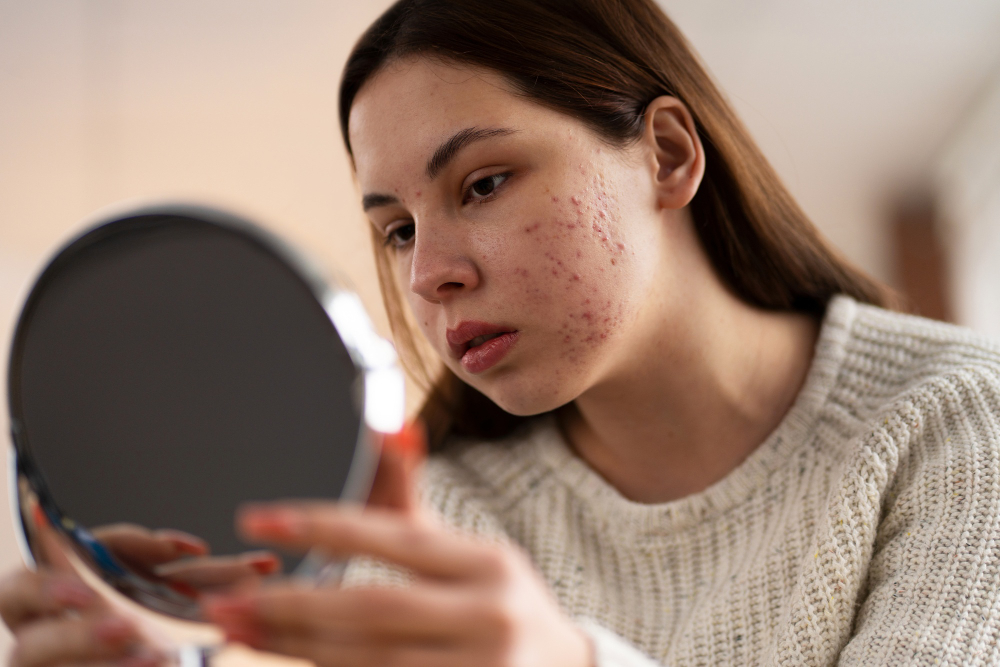
Skin Blemishes People Commonly Mistake for Something Else
Not every unusual mark is what it seems at first. You may mistake harmless blemishes for spots, warts or moles, while some changes deserve closer attention. Understanding common lookalikes helps you notice differences without jumping to conclusions. When something changes, persists or concerns you, professional assessment gives you clearer answers and reassurance.
Why Some Skin Blemishes Are Easy to Misidentify
Your skin develops many marks that look remarkably similar. These similarities can make it difficult to know whether something needs attention or just looks unusual.
If you notice a new or changing mark, avoid trying to diagnose it yourself. A professional examination can distinguish common blemishes from changes requiring further investigation. If you are considering a mole check in Northampton or surrounding areas, understanding what different types of moles may look like helps you explain what you have noticed.
1. Sebaceous Hyperplasia Looks Like Small Spots
Sebaceous hyperplasia develops when oil glands become enlarged beneath your skin. You may notice small, pale or yellowish bumps, especially across your face. Because they resemble whiteheads or pimples, you might assume they are ordinary spots.
Unlike conventional acne, these bumps usually do not behave like typical breakouts. Squeezing them can irritate your skin without addressing the underlying cause. If several bumps persist or remain unclear, professional advice helps you identify them accurately.
2. Seborrhoeic Keratoses Resemble Warts or Moles
Seborrhoeic keratoses are growths that develop as you get older. They may appear brown, black, tan or lighter, with raised surfaces, like something stuck to your skin. Their varied appearance means you could mistake one for a wart or mole.
Although these growths are generally harmless, do not assume every changing mark is one. If a lesion becomes irritated, bleeds or changes noticeably, it’s sensible to arrange an assessment.
3. Cherry Angiomas Are Mistaken for Moles
Cherry angiomas are small blood-vessel growths that often appear as bright red marks. You may notice them on your chest, back, arms or elsewhere as you age. Their rounded shape sometimes makes them look like unusual moles.
If you notice a new red mark, avoid assuming its appearance tells you exactly what it is. A professional examination helps clarify its nature when a mark looks unfamiliar or different from others.
4. Milia Look Like Whiteheads
Milia are keratin cysts that commonly appear around your eyes. Their small, white appearance can make you think you have blocked pores or stubborn whiteheads. However, they are not conventional acne and usually need different management.
5. Dermatofibromas Resemble Moles
Dermatofibromas are firm, benign skin growths that most often develop on the legs. They often appear brownish or pinkish and may feel harder than surrounding skin. Because their colour and shape can vary, you might interpret one as an ordinary mole.
If a mark changes or looks unlike your other growths, professional guidance helps clarify what you are seeing. This gives you a better understanding of whether the mark needs further attention.
6. Actinic Keratoses Look Like Dry Skin
Actinic keratoses can appear as rough, scaly patches on sun-exposed areas. You might initially think the area is just dry, irritated or affected by an ordinary skin condition. However, persistent rough patches should not automatically be dismissed as harmless dryness.
These changes result from long-term sun exposure, and because a small number can develop into skin cancer, they are worth having checked. Pay attention when a rough patch persists, thickens or changes over time.
7. Some Skin Cancers Look Like Minor Blemishes
Certain skin cancers can initially resemble everyday problems, including spots, scabs or irritated patches. You might overlook a mark because it appears familiar rather than obviously concerning. That is why how a mark changes over time matters more than how it first looks.
A sore that doesn’t heal, recurring scabbing, or a changing growth needs attention. You should also seek advice if a mark repeatedly bleeds, crusts or develops differently from surrounding skin.
How to Avoid Misreading a Skin Change
You can make changes easier to discuss by carefully observing their appearance. Consider when you first noticed the mark and whether its size, shape or colour has changed. The ABCDE checklist (asymmetry, border, colour, diameter and evolving) is a simple way to track moles between professional checks.
However, comparing photographs online rarely gives you a dependable diagnosis. Many unrelated skin conditions can look similar, and lighting can make comparisons misleading. If something concerns you, professional assessment gives you a more reliable way to understand it.
To Sum Up
Skin blemishes can be difficult to identify because many share similar features. What looks like acne could be sebaceous hyperplasia, while rough patches might seem like ordinary dryness. You may also mistake blood-vessel growths, cysts or benign growths for familiar marks.
That does not mean every unusual blemish should cause concern. However, changes that persist or seem unfamiliar need appropriate attention. Professional guidance gives you clear information about your skin and helps you decide what to do next.
