Practical Steps Toward Aging Well
When we envision retirement, we often think of relaxing days, meaningful time with loved ones, and a slower pace of life. But to truly enjoy those years, it’s important to consider the habits and healthcare routines that contribute to lasting wellness as we age.
While genetics and the natural aging process play a role, many aspects of healthy aging are within our control. By making thoughtful choices and prioritizing preventive care, older adults can take meaningful steps toward maintaining vitality and independence.
The Importance of Ongoing Medical Care
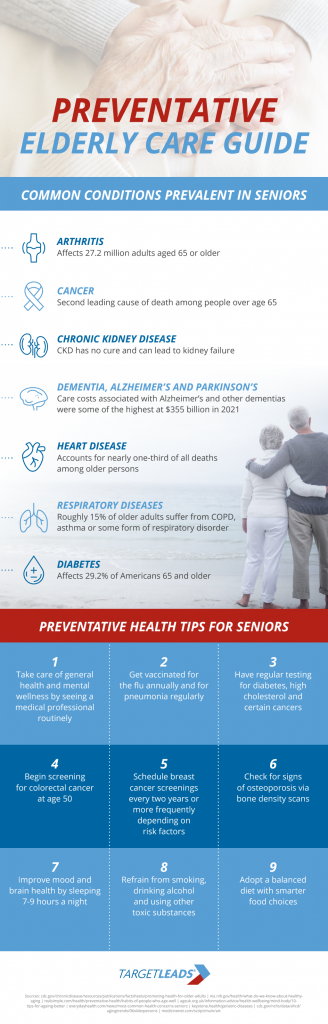
Regular check-ups are one of the best ways to safeguard your health. Annual appointments give healthcare providers the opportunity to track changes, administer vaccines, and conduct screenings. These might include checks for blood pressure, blood sugar levels, and various forms of cancer—screenings that often catch potential issues early when they’re more manageable.
For those living with chronic conditions, such as heart disease or diabetes, consistent medical oversight is essential. With nearly nine out of ten seniors managing at least one chronic illness, coordinated care helps minimize complications and supports a better quality of life. It’s also a chance for patients and their families to stay informed and proactive about treatment plans.
Healthy Habits That Make a Difference
In addition to clinical care, everyday behaviors play a major role in long-term wellbeing. Staying active, sleeping well, avoiding smoking or excessive alcohol, and managing stress all contribute to overall health. Even modest improvements in physical activity or diet can lead to positive changes over time.
Staying Connected for Better Mental Health
Social interaction is another important part of aging well. Regular time spent with family, friends, or community groups can ease feelings of loneliness and boost emotional resilience. Research links strong social ties to slower cognitive decline and better mental health. Staying connected doesn’t just improve mood—it’s good for the brain too.
Planning Ahead for a Healthier Future
Healthy aging isn’t something to think about only in your later years. Building healthy routines earlier in life sets the stage for a more active, fulfilling future. As the aging population continues to grow, it’s increasingly important to focus on wellness as a long-term investment.
With thoughtful planning and consistent care, older adults can reduce the impact of chronic conditions, stay active, and enjoy a greater sense of independence well into their later years.
For additional information on senior health and preventative care strategies, refer to the accompanying resource from TargetLeads, a direct mailing list provider.