Understanding Community-Based Mental Health Support and Holistic Wellness Strategies
Taking care of your emotional health in today’s fast-moving life is quite hard for both individuals and families.
Many things like stressful events, long-term sickness, heavy work pressure, and losing loved ones can slowly disturb your mental peace.
It is totally normal to feel sad or worried sometimes. However, if you feel tired, hopeless, or overwhelmed all the time, it means your nervous system really needs proper care.
Learning practical ways to look after your mind right in your own local community is the main base for staying emotionally strong in the long run.
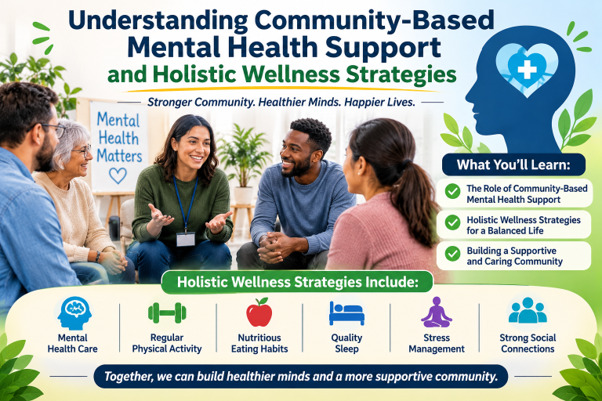
To get good mental health that lasts, you need a balanced way that mixes self-care, good social links, and easy-to-reach medical help.
Medical updates from trusted places like Iris Medical Group show that local care, which focuses on the patient, helps a lot when people deal with anxiety and depression.
When mental health support fits easily into normal daily life, patients feel much less stressed and get the confidence to ask for help without feeling shy or worried.
Breaking Down Common Mental Health Misconceptions
Even though more people know about mental health now, wrong ideas about it still stop many folks from getting help when they really need it.
Clearing these common wrong beliefs makes it much simpler for people to talk openly about their emotional problems.
- Myth: Having mental struggles means a person is weak.
- Fact: Mental health problems are actual medical issues. They happen because of family genes, brain chemicals, life experiences, and things around us. It is not about having weak willpower.
- Myth: You only need help when a very big crisis happens.
- Fact: Asking for advice early helps you learn how to handle things. This stops small daily stress from turning into very bad mental pain later.
- Myth: Only therapy and medicines can fix things.
- Fact: Good mental care puts together doctor therapy with daily body movement, proper sleep habits, healthy eating, and ways to lower stress.
Recognizing Early Signals of Emotional Overload
Mental and emotional tiredness almost never starts in just one night. Usually, it builds up very slowly over many weeks or months.
If you learn to catch these early signs of emotional burnout, you can change your daily routine before your health gets bad.
Changes in Daily Sleep Patterns Having trouble falling asleep, waking up many times at night, or sleeping too much and still feeling tired are very common signs of mental stress.
When your mind thinks too much, your nervous system stays on high alert, which spoils your deep, restful sleep.
Persistent Physical Fatigue and Unexplained Aches The mind and the body are connected very closely.
Long-term mental stress often shows up in the body as tight muscles, frequent headaches, stomach pain, or a heavy feeling of low energy that does not go away even after you rest.
Emotional Withdrawal and Reduced Focus When you stop enjoying your favorite hobbies, stay away from close friends, or find it hard to finish simple office tasks, your brain is likely overloaded.
When your mind is too busy fighting stress, even making small everyday choices feels very tiring.
Daily Self-Care Practices to Stabilize Your Nervous System
While seeing a doctor is very important for problems that do not go away, doing small good habits every day helps calm your nervous system and brings back your daily focus.
Establishing a Predictable Daily Rhythm Human brains work much better with a fixed routine. Waking up, eating your food, and going to sleep at the same time every day gives your body a safe feeling.
Having a steady schedule lowers your basic stress hormones, which makes it easier to deal with sudden problems during the day.
Incorporate Gentle Physical Movement Moving your body is one of the best ways to burn off extra stress hormones like cortisol.
You do not have to do very heavy gym workouts to help your mind. Even a simple twenty-minute walk outside in the morning sunlight releases good hormones that naturally make your mood better.
Practice Controlled Breathing Exercises Taking slow and deep breaths sends a signal to your nervous system that tells your body it is safe to relax.
You can try the box-breathing method: breathe in through your nose for four seconds, hold the air for four seconds, breathe out from your mouth for four seconds, and wait with empty lungs for four seconds.
Do this whole cycle four times whenever you feel anxiety coming up.
How Modern Mental Health Care Support Works
Knowing what actually happens during a mental health checkup takes away the fear and confusion people feel before taking that first step.
Today’s outpatient care uses kind, step-by-step support that is made just for your personal needs.
- Initial Comprehensive Evaluation: A health specialist talks with you about your emotional past, current worries, body health, and personal goals in a quiet and private room.
- Collaborative Goal Setting: You and your doctor work together to set realistic, small targets that focus on making your daily life feel better.
- Tailored Treatment Planning: Based on what you specifically need, your plan might include talking therapy, learning how to manage stress, changing daily habits, or taking medicine.
- Ongoing Progress Reviews: Regular check-up visits make sure your care plan changes nicely as your mental health gets better and your life goals shift.
Building a Strong Personal Support Network
Nobody should have to handle mental health struggles all by themselves.
Making a trusted circle of helpful friends, family members, or local support groups gives you a safe place to share heavy feelings without worrying that people will judge you.
Talking about your thoughts with people you trust breaks the lonely feeling that usually comes with anxiety and depression.
When your family understands what you are facing, they can give real help, push you toward good daily habits, and comfort you during hard days.
By putting together kindness toward yourself, steady daily health habits, and local community help, looking after your emotional health becomes a clear and doable path toward long-term peace of mind.